

From Ecosystem to Emotion: Beyond the Monsters of Speculative Fiction


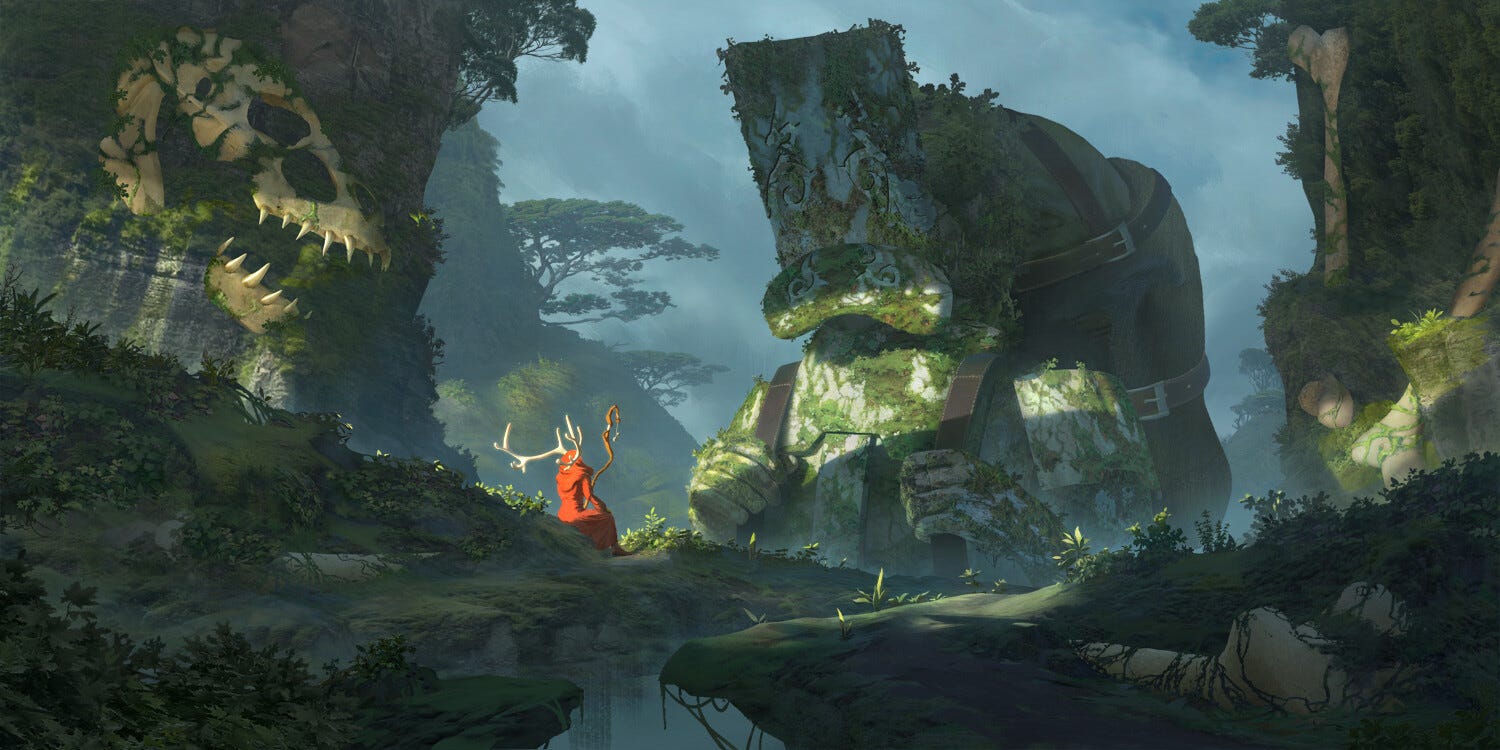
Why is our first instinct in creature design to create a monster?
Very few people think creature design and think about the animals in the background of Star Wars or the creatures that make up the whole planet of Pandora in Avatar. Instead many people think about the bosses you fight in Legend of Zelda or the creatures you fight in The Last of Us. This thinking is not incorrect, these ‘monsters’ are created and some creature designers love making them creepy and scary, but it’s not the only path and it’s not the only way to interact with “creatures” in fiction.
I believe when we only create creatures based around conflict and fear we show people that everything that isn’t ‘us’ is considered ‘other’ and therefore bad; something that we must fight against.
I think normalizing creatures in movies that aren’t just bad guys is a great step toward normalizating ‘speculative empathy.’ How will people in the world feel about aliens and animals and anything ‘other’ If we start to show them creatures as additional characters instead of just obstacles. Characters that may not be able to talk like us, but that are sentient, express themselves and live amongst society not just “beneath” it.
Designing for Cooperation
As creature designers, worldbuilders, storytellers, we are allowed to create creatures that inhabit a world and society in the same way animals inhabit earth. We can even take this a step further and design alien animals that function as part of society instead of just commodities for humans to use as they please.
I believe alien civilizations can have companions and mounts and other “fantasy creature elements” that function in society with beds instead of cages and with their own rights as well. We are still allowed to have bosses to fight or bad beasts to conquer but we can also have other animals that interact more than just the one staple dog companion that “some” games and movies have.
When I design my creatures for the world that I am building, I design them with a role in society in mind from the very beginning. Whether they directly benefit the people on the planet like my ‘messenger’ creature or whether they indirectly help the ecosystem and function of the world like my ‘surface watchers,’ they all deserve a place in the world you’re building.
I personally am obsessed with animals and creatures and want to create a world centered around them, but I believe people can incorporate a better message about “the other,” even if it’s just in the peripheral of the story.
When humans started developing on earth we pretty much bulldozed through everything already there but I think that even if you don’t have a huge amount of creatures in your world that you can design a world that has obviously been impacted by the creatures within it. Homes built in tunnels that were dug by creatures, bridges made across roads for wildlife, perches on buildings and a general integration of animals into the world itself.
Fiction tends to mirror reality with what we fear, what we hope and even what we expect out of the future. The way we treat fictional beings is a rehearsal in empathy for the way we treat real-life beings, whether human, animal or alien.
If we can empathize with a rock creature that doesn’t have a face or speak English, like Rocky from Project Hail Mary, then we are one step closer to being empathetic and understanding with the misunderstood beings in our own backyard, on our own planet.
Worldbuilding is a tool that can be used to scare people in preparation for a dire future or to give people hope, in preparation for a bright, evolved future. I do believe horror and shock value have a place, but I think hope-punk and cozy fantasy also has a place, especially in worldbuilding. I want my worlds to show people how amazing life could be if beings and creatures of all different kinds cooperated.
Allow people who read your stories to ask, “Does this being have a life I can connect with, instead of just a stat block I can beat?”
We have enough stories about surviving the dark times. Let’s build stories about sharing light with everyone and every thing.
Author: Emmelyn Rei of Emelou Studio
 | A guest post by
|
I understand your point and partially agree. I dont think that every creature or monster or even animals in our own world should be domesticated, but i do believe that they should be acknowledged and respected in their own right instead of seen as either "below humans" and therefore a commodity for us to use or "scary/evil" and used as a lesson. Many creatures of folklore became things that needed to either be conquered like the minotaur or feared like a kelpie who would bring children to their deaths. I think these stories served a purpose to teach people in ancient times, but i think with the animal cruelty and misuse in the world that by showing a lens of kindness and understanding of the nature and beings living amongst us, we can change the narrative around creatures that aren't human. These are my thoughts and are definitely not the only answer or only way, but I do enjoy the discussion!
"Why is our first instinct in creature design to create a monster?" Really stuck with me. I find that monsters are used to secure a "good" or "bad" binary. Usually to highlight that the main character is the "good" and the designated monster is "bad."
I think about my favorite animation studio, Studio Ghibli, and how they use creatures. In stories like Princess Mononoke, they end up being like a deity figure regardless of appearance.
Additionally, I do think that creatures reflect personal and cultural understandings of what the "other" is. I'm thinking specifically of how Black Horror and White Horror are depicted–think US vs Hereditary. Or even how zombies are rooted in anti-blackness and aliens reflect white fear about being dominated by the only being considered to be a threat to whiteness.
Interesting piece overall!